

Understanding sports betting odds is essential for anyone looking to make informed decisions rather than relying on guesswork. Whether you are exploring football, cricket, or other markets on CK33, odds represent both probability and potential return. However, many players misinterpret them and make poor choices. This guide breaks down how odds work, how to read them correctly, and how to apply them in real scenarios. এখানে আমরা সহজভাবে odds বোঝার বাস্তব পদ্ধতি তুলে ধরবো.
What Are Sports Betting Odds?
Before diving into formats, it’s important to understand that odds are not just numbers—they reflect the implied probability of an event happening while also determining your payout. এই অংশে আমরা odds-এর মূল ধারণা পরিষ্কারভাবে বুঝবো.
Basic Meaning of Odds
Odds show how much you can win relative to your stake. For example, odds of 2.00 mean you double your money if the bet wins (including your stake).
Implied Probability Explained
Every odd can be converted into a probability:
- Lower odds = higher probability
- Higher odds = lower probability
For example, odds of 1.50 imply a stronger favorite than odds of 3.00.
Types of Betting Odds Formats
Different platforms may display odds in various formats, but they all represent the same concept. Understanding each format helps avoid confusion when switching between markets.
Decimal Odds (Most Common)
- Example: 2.50
- Total return = Stake × Odds
- Easy to calculate for beginners
Fractional Odds
- Example: 5/2
- Profit = (Stake × numerator) ÷ denominator
- Common in UK markets
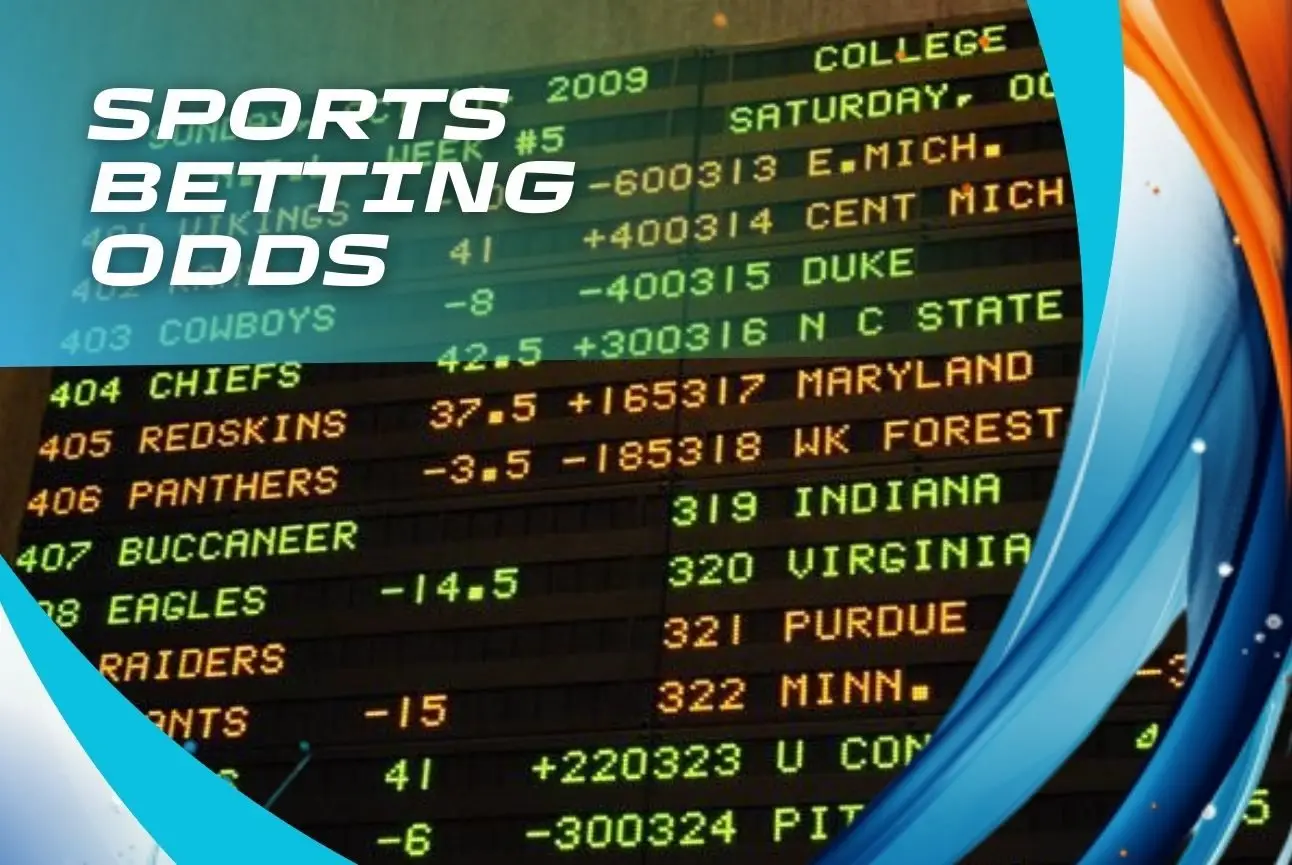
American Odds
- Example: +150 or -200
- Positive = profit on $100 stake
- Negative = amount needed to win $100
Comparing Odds Formats
| Format | Example | Ease of Use | Best For |
|---|---|---|---|
| Decimal | 2.00 | Easy | Beginners |
| Fractional | 1/1 | Medium | Traditional bettors |
| American | +100 | Complex | Advanced users |
How to Evaluate Odds Effectively
Reading odds is one thing, but using them correctly requires context. Successful players compare odds with real match conditions before placing bets. এই অংশে আমরা বাস্তব মূল্যায়নের পদ্ধতি দেখবো.
Look Beyond the Numbers
- Check team form and recent performance
- Analyze head-to-head records
- Consider injuries or lineup changes
Identify Value Bets
A value bet occurs when the odds offered are higher than the actual probability of an event.
- If you estimate a 60% chance but odds reflect 50% → potential value
- Requires consistent judgment and research
Avoid Blind Favorites
Low odds may seem safe, but they often offer limited return and still carry risk. Betting only on favorites can reduce long-term efficiency.
Real Example: Odds in Action
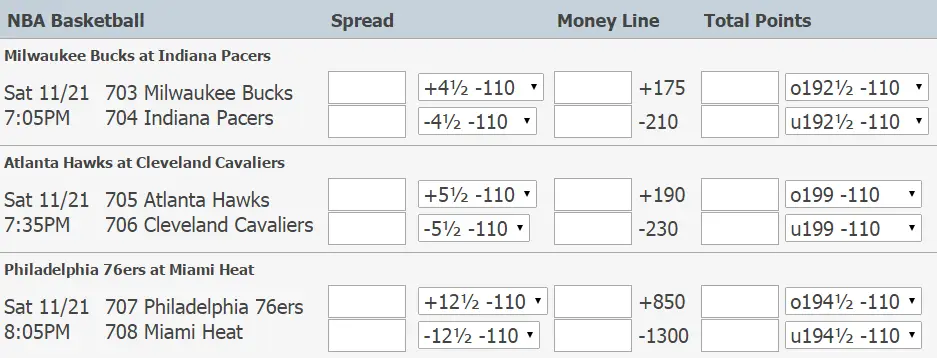
Looking at real scenarios helps clarify how odds translate into actual decisions. Instead of focusing only on numbers, it’s important to understand how probability and return interact in practice. এই উদাহরণটি দেখাবে কিভাবে একই বাজি থেকেও ভিন্ন ফলাফল পাওয়া যেতে পারে।
Match Scenario
| Team | Odds | Implied Probability | Return (Stake $100) |
|---|---|---|---|
| Team A | 1.80 | 55% | $180 |
| Team B | 3.20 | 31% | $320 |
How to Interpret This Scenario
At first glance, Team A appears to be the safer choice due to its higher implied probability. However, the return is relatively limited compared to the risk taken. On the other hand, Team B carries lower probability but offers significantly higher payout potential.
- Betting on favorites provides more frequent wins but smaller returns
- Underdogs offer higher rewards but come with greater uncertainty
- The decision should depend on whether the odds reflect true value
This is where experienced players look beyond “who is likely to win” and instead ask whether the odds justify the risk.
What This Shows
Even though Team A is statistically more likely to win, choosing it blindly may not always be the optimal decision. The key is to balance probability with value—selecting bets where the potential return fairly compensates for the risk involved.
Risk Management in Sports Betting
Understanding odds is only effective when combined with disciplined bankroll control. Without proper risk management, even good decisions can lead to poor long-term results. এই অংশে আমরা নিয়ন্ত্রণ বজায় রাখার বাস্তব পদ্ধতি দেখবো।
Control Your Stake Size
Managing how much you bet on each selection is critical for long-term sustainability.
- Limit each bet to 1%–5% of your total bankroll
- Keep stake sizes consistent across similar bets
- Avoid increasing bets impulsively after losses
This approach helps protect your bankroll from sudden swings and allows you to stay in the game longer.
Set Clear Limits
Having predefined boundaries ensures you don’t lose control during both winning and losing streaks.
- Stop-loss: end the session after losing around 20% of your bankroll
- Profit target: consider stopping after achieving 25%–30% gains
- Treat these limits as fixed rules, not flexible guidelines
This structure prevents emotional decisions and helps lock in gains.
Stay Objective
Emotional betting is one of the biggest risks in sports betting.
- Avoid betting on your favorite team without analysis
- Do not chase losses by forcing additional bets
- Base decisions on data, not personal bias
বাস্তব বিশ্লেষণ ছাড়া সিদ্ধান্ত নিলে ক্ষতির সম্ভাবনা বাড়ে, so maintaining objectivity is essential for consistent performance.
Common Mistakes to Avoid
Avoiding basic mistakes is just as important as understanding odds. Even experienced players can lose consistency if they overlook simple but critical details. এই অংশে আমরা কিছু সাধারণ ভুল তুলে ধরবো যা সরাসরি ফলাফলে প্রভাব ফেলে.
Misreading Odds Format
Different odds formats may look similar at first glance, but they represent payouts in different ways. Misinterpreting them can lead to incorrect expectations.
- Decimal odds (e.g., 2.00) include your stake in the return
- Fractional odds (e.g., 1/1) show only profit, not total return
- American odds use positive/negative values, which can be confusing
For example, reading 2/1 as “double your money” instead of “profit equals twice your stake” can result in miscalculated bets. Always confirm the format before placing a wager.
Ignoring Probability
Focusing only on potential payout without considering probability often leads to poor decisions.
- High odds may look attractive but usually indicate lower chances
- Low odds suggest higher probability but offer smaller returns
- Without probability awareness, bets become guesswork
A balanced approach considers both the likelihood of an outcome and the value offered by the odds.
Overbetting
Placing too many bets or increasing stake size without a clear plan can quickly reduce your bankroll.
- Betting multiple matches at once increases exposure to risk
- Increasing stakes after losses often leads to faster depletion
- Lack of discipline reduces long-term efficiency
Instead, maintain a fixed betting size (e.g., 1%–5% of bankroll) and focus on quality over quantity. Consistent, controlled betting tends to perform better than frequent, impulsive wagers.
FAQ – Sports Betting Odds
1. What is the easiest odds format to use?
Decimal odds are the simplest and most widely used format.
2. Do odds change over time?
Yes, odds fluctuate based on market activity and new information.
3. Can I rely only on odds to win?
No, odds should be combined with analysis and strategy.
4. What is a value bet?
A bet where the odds are higher than the true probability.
5. Are higher odds always better?
No, they come with lower probability and higher risk.
6. How much should I bet?
Typically 1%–5% of your bankroll per bet.
7. Is sports betting profitable long-term?
Only with discipline, strategy, and proper risk management.
Conclusion
Understanding betting odds is a foundational skill that allows players to move from guessing to informed decision-making. By learning how to read different formats at TK666, evaluate probability, and manage risk, you can approach sports betting with greater control and clarity. মনে রাখবেন—long-term success depends on consistency, not quick wins.
 Over Under Betting Guide: Understanding Totals Markets in Sports Betting
  IPL Betting Tips: Key Factors to Consider Before Every Match
  Live Betting Strategy: How to Make Better Decisions During the Game
  Serie A Odds: The Best Italian League Success In 2026
  SBO Sport: Blueprints For Professional Market Domination
  Tennis betting: Advanced Blueprints For Professional Court Domination
